Top Tips For Managing Bad News Effectively

Flourish PR


Ultimately, every business has one bad day, where events do not happen in a way you would like.


Whether that is delivering a profit warning, announcing a delay or managing a crisis, your digital PR is one of your most crucial instruments in taking charge of the narrative and ensuring that the truth is heard and you have an opportunity to explain the situation.


Social media ensures these stories break almost immediately as they happen, and so one important part of modern PR management is the knowledge that you do not have the time you may have had 20 years ago to prepare, respond and explore options with the press. Even 20 years ago you would typically have had 30 minutes to draft, edit, approve and fax a holding statement.


With this in mind, here are some top tips on the best ways to handle bad news.


Take Ownership Of The Situation


Time is critical to ensuring you can take ownership and control of the narrative surrounding a situation and the worst decision to make in a lot of cases is to wait to see how it is reported because that delay in responding can often become the story.


Take, for example, the story of Bridgestone’s major tyre defect issues. In 1996, the tyre manufacturer was warned that the tread of some of its tyres separated from the car, which led to 271 deaths.


It took until 2000 for the issue to be investigated, with the prior four years seeing Bridgestone blaming its customers for not taking care of the tyres. This was the wrong decision to make, and had Bridgestone taken action earlier it may not have cost the company $1.67bn.


Be proactive, start producing communications and making apologies as soon as you can in broad strokes. The finer strategy can be decided later but if you wait to take ownership of a situation the narrative will be written for you.


This can be as simple as noting your awareness of the situation and that an internal review is taking place.


Never Say “No Comment”


You are human, as are your customers, and so make sure to act that way in communications, even if they come out of the blue. Saying “no comment” is not only a cliché, but it can cause people to assume you have something to hide.


Instead, be transparent if you do not have any information. State that you are assessing the situation and be as transparent as you can be within legal limits.


Be empathetic and heartfelt, especially when sharing details on how the company will move forward. People will react far better to a contrite apology and details on how you plan to resolve the situation.


Ultimately it is important to understand how the customer feels and replace spin with empathy.


Get Your Key Messages Ready


Once you have the option to prepare, get your crisis plan ready and ensure that everyone who has the authority and capacity to speak to the media is aware of the key messages you plan to share.


Do not let your executives go rogue and try to avoid having a scripted response, but instead provide what they can say about the situation so far.


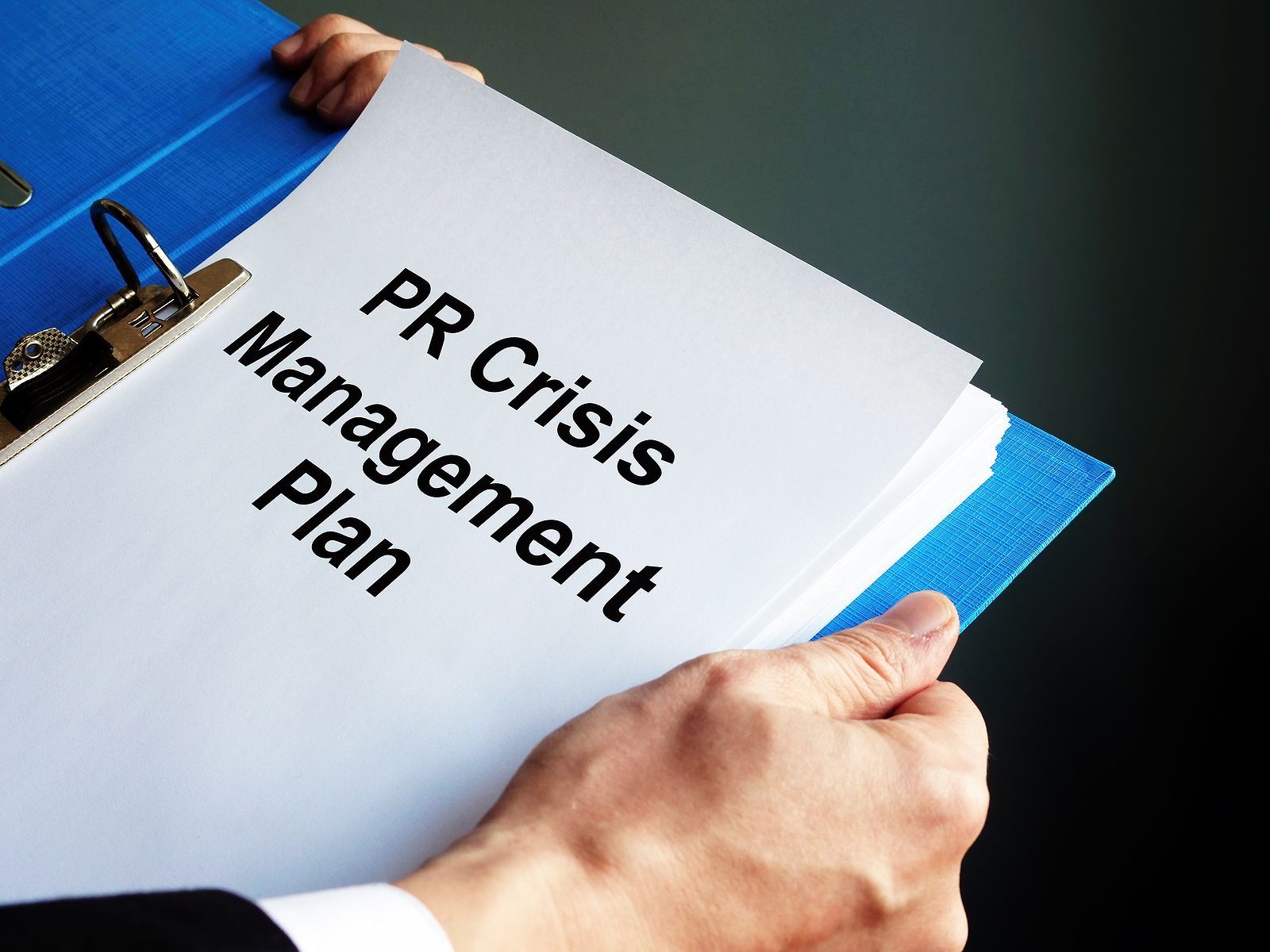
Develop a crisis plan beforehand if you can, with the key people to notify, the process to review the situation in-house and a list of people who are authorised to speak to the media.


Try to avoid kneejerk reactions, even as people are pushing you for a response. As long as you have a response published and people are aware that an additional response is forthcoming, it is beneficial to take the time to write a well thought out press release.


And finally, don’t overlook or forget about your own in-house team. Are they aware of the situation at hand, and the appropriate public response? Internal communications is often the poor relation in a crisis situation, yet if done well it can help you and the senior leadership team get ahead.



Rhys Payne • September 17, 2021
social media marketing agency in Buckinghamshire - Social media icons on screen of smartphone
February 3, 2026
Discover why social media channels are more important than ever for brands and how our changing scrolling habits are shaping the way companies behave online.
crisis communications agency buckinghamshire - Finance Business People Recession Online Communicatio
January 14, 2026
Discover why it is not always a virtue to be stubborn, when changing your mind is the right idea, and how empathy must come first with crisis communications.
content marketing - Content marketing online concept
December 25, 2025
When it comes to content marketing, here are some strategies that will be well worth pursuing in 2026, from using AI to personalising content to audiences.
Crisis communications agency Buckinghamshire - Businessman think about PR services
November 4, 2025
If you know your firm will have to announce bad news, you will have reason for concern. But a skilled crisis communication agency can help limit the damage.
October 24, 2025
Find out why digital marketing channels have become so important in the B2B world, which ones to target and how they fit into the broader customer journey.
crisis communications agency buckinghamshire - businessmen working on a startup
October 15, 2025
Find out why keeping your crisis communications simple, clear and to the point is vital to protecting your brand’s reputation during a make-or-break period.
October 15, 2025
Find out why sorry seems to be the hardest word to say in PR, as stubbornly never apologising and apologising at the wrong time can cause just as many problems.
Brand agency Buckinghamshire - Building your own successful career
September 18, 2025
Connection is everything for consumers in the 21st century and it’s vital that you take steps to properly humanise your business. Here’s how to stand out.
By Hannah Woodhead September 5, 2025
In sub-Saharan Africa, an interesting relationship takes place hippos and oxpecker birds (honestly, bear with me on this one). The hippo needs help with the ticks and parasites that live on its skin and the oxpeckers help out by picking off the parasites and eating them. The oxpeckers get what they want – a tasty meal. And the hippo gets cleaner, healthier skin. It’s a win-win situation. It's impossible to say whether either species values the other—but each undoubtedly plays a vital role in the other's wellbeing. This example of mutualism often comes to mind when people talk about the relationship between journalists and PRs. It’s a case of mutuality, without question, but there’s often a simmering animosity between the two. To generate truly effective PR you need to understand the needs of both sides. And that’s where Flourish excels.
By Dane Prinsloo July 10, 2025
Let’s be honest - emojis aren’t just for group chats and Instagram captions anymore. Whether it’s a quick thumbs-up in a Teams chat or a cheeky smile in an email, those tiny icons have found their way into our professional lives. And depending on who you ask, that’s either a welcome shift towards more human connection… or a slippery slope into an unprofessional territory.  We live in a world where so much of our communication happens through screens which means our tone of voice can get lost in translation. Emojis offer a way to soften messages, add personality, and make digital interactions feel just a little more, well, human. But here’s the big question: do emojis actually enhance professional communication, or do they risk making us seem less serious, less credible, or even less competent? In this blog, Flourish are diving into both sides of the emoji-in-business debate: the benefits, the backlash, and everything in between. Because love them or hate them, emojis are not going anywhere, and it is probably time we figure out how (and when) to use them wisely.
Show More